

When It's Time For Patio Door Lock Replacement
If your patio door lock isn't functioning correctly, it could be time for a replacement. It's a fairly straightforward procedure.
The first thing to determine is the type of lock you own. This can be done by observing the keyway's position on the lock assembly. Certain keyways are vertical, while others are at a 45-degree angle.
Identifying Your Lock's Existing Lock
The patio door is among the most sought-after points for entry into homes for burglars. This is because it typically opens into an open or ventilating position and is often located behind the house, making it easy to conceal the ladder or other climbing equipment. This makes securing your patio doors essential whether you are trying to keep children from leaving your home or deter a determined burglar.
You should be familiar with the locks you have in order to help you select the most suitable replacement patio door lock. This will help you identify the type of lock, its features and security level. This is an important step to take before purchasing new hardware. It will ensure that the new lock is properly installed and securely fastened.
In many instances you can identify the type of lock you have by observing the outside of your door frame or checking the inside of the handle. You can also check the type of lock your door has, in the event that it has a latch or it requires a key for activation of the lock.
The most common lock used in uPVC patio doors is a euro-cylinder that is operated by either a handle or the use of a key. The cylinder comes with an sleeve that holds the pin in place and stops it from being removed from the lock. The euro cylinder could provide an amount of security, depending on the manufacturer. If the lock has been tested for anti-snap certification as well, it is capable of providing an amount of security. However we at SheffLOCK we recommend the 3 star diamond accredited (TS007 ULTION) euro cylinder. It provides a lot more protection against snapping locks.
A mortise is a type of steel locking mechanism that is integrated into the frame. This type of lock is found on both wood and aluminum patio doors. They are extremely secure if installed correctly as the bolt is recessing into the frame, so the intruder has to cut through the frame and window sill to access the lock.
Find the Width of Your Door
Patio doors are often the most vulnerable entrance point to your home. This is especially true if you own many glass. Having good quality locks fitted will ensure your home's security and could even save you money on your insurance policy. The most common types of patio door lock are:
There are many different locks to choose from based on your style and functionality. Some have bolts that twist and cylinder locks that utilize a key and mortise locks with spring-loaded hook latch.
Use a tape measure around the edge of your patio door to note the thickness. It is also a good idea to measure the thickness of the door frame (known as jamb) in various locations, and make use of the smallest measurement to to determine which lock type is the most suitable for you.
It is important to determine the width of your opening prior to installing the patio door. This is the opening the patio door will fit in and the measurement you will need from the manufacturer to get a new one. Get help from your supplier or consult our handy guide if you're not sure what measurement to take.
It is also crucial to determine the height of the opening. However, this can be difficult if your floor is not level. You can measure in three locations, on both sides and the centre and then record the smallest measurement to determine the height.
Once you've gotten your measurements, you can choose a lock that fits your door and home. Installing an auxiliary security locking system will provide you with additional protection from intruders. For example a handlelock from Patlock is designed to stop the door from being opened if it's not secured or locked.
A central rail lock that comes with a key is the best option for the highest security. The lock bolts the patio door to the frame at various points and requires 1 turn of the key to secure them all. These locks provide a higher security and may reduce your home insurance rates.
Make sure you check the End-Face plate
You must know the exact details of the lock you currently have to determine the best replacement. This will ensure that the new handle and spindle are a perfect fit on the patio door and that the new latch is able to be secured by the latch's hasp.
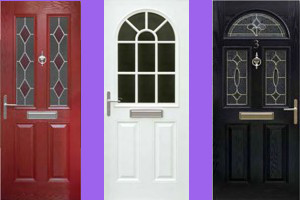
The first step is to examine the face plate at the end to determine whether it is square or round. This will allow you to determine the type of mortise lock you have. It is also important to know the screw hole size so that you can locate a replacement that matches up with your existing screws.
You should also examine the location of your existing keyway. There are a variety of patio door locks, and it is vital that you know which one your current lock has so that you can match it to the right keyway opening.
Check the latch keeper's position at the edge of the jamb of your door. If the latch keeper on the door jamb is too far back, it will be hard to get the latch hasp in place. The door won't close properly. Fortunately, this issue can be corrected by adding washers or a shim in front of the latch keeper on the jamb.
If you have an E2105 mortise lock, the latch keeper should be approximately 1 inch from the edge of the frame. You might also want to take a measurement of the size of the latch holder to ensure it is at the right level.
In most cases, your latch holder will be positioned slightly higher than the lock's keyway. This is to ensure that it doesn't interfere with your sliding door's operation.
If the latch keeper is too high, you can lower the height by tightening the screw or nut at the bottom. Be careful not to over tighten this screw, since it could damage the lock mechanism or the door. If the latch holder is too tall, you can raise the latch holder by tightening a nut or screw located at the top of the keeper on the jamb.
Make sure to examine the screw holes
Many patio door locks use locks bolts to secure the door, whereas others are operated by a key. Both types of locks require regular maintenance to function properly. To ensure the security of your patio door, Lowe's offers a wide range of sliding glass door hardware and locking solutions. Repair My Windows And Doors can choose from a range of styles of locks, including bolts that turn, cylinder locks that use a key and mortise locks with spring-loaded hook latches.
Some homeowners have trouble getting their patio door to lock because the latch has fallen or isn't aligned with the strike plate (also called the jamb of the door). In some cases, the issue may be due to minor door movements or water ingress that has affected the moveable parts of your lock. In these situations, a small amount of light oil may suffice for the door to lock.
The best way to begin is to measure the width of your existing lock. You can use tape measure or a ruler to accurately measure this measurement. This will allow you to select a replacement lock of the correct size. Next, look at the faceplate at the end to determine if it's round or square. This information is crucial as it allows you to select a new lock with the right screw hole type.
Additionally, you'll want to note the location of the screw holes on your current lock. If the screw holes are located at the top or bottom of the leading edge, then an extended bolt is required. Installing a tamper-proof lock with non-removable screw is another option.
The process of installing the lock is easy once you've picked the lock that's ideal for your door. It is always recommended to seek out professional help if you are unsure about installing the patio lock. A professional locksmith or door hardware specialist can offer expert advice and make sure that your lock is installed correctly. If taken care of the patio door locks will be an efficient and secure security feature that will protect you and your family secure from intrusions.